
Coffee is far more than a morning ritual or a caffeine delivery system. It’s a complex agricultural product shaped by geography, processing decisions, roasting chemistry, and brewing physics. Each cup represents a chain of choices made by farmers, processors, roasters, and ultimately you—the person holding the vessel. Understanding these interconnected elements transforms coffee from a simple beverage into a craft you can actively improve and enjoy more deeply.
This exploration covers the fundamental knowledge you need to navigate the coffee world with confidence. From identifying how origin influences flavor to mastering the mechanics of extraction, you’ll discover why certain brewing methods highlight specific characteristics, how roasting unlocks sweetness, and what to look for when sourcing quality beans. Whether you’re refining your espresso technique or exploring slow brewing methods, these foundations will guide your journey toward consistently exceptional coffee.
Where coffee grows fundamentally shapes what ends up in your cup. Think of it like wine terroir—the combination of soil composition, altitude, climate, and local farming practices creates distinct flavor signatures that no amount of roasting or brewing can completely override.
Ethiopian coffee, for instance, often carries the “heirloom” designation. This term refers to indigenous varietals that have evolved naturally in Ethiopia’s forests over centuries, producing the wildly complex floral and fruity notes the region is famous for. When you encounter descriptors like “bergamot” or “jasmine” on an Ethiopian coffee bag, you’re reading about varietal character combined with specific processing at local washing stations.
Colombian coffee tells a different story—one of agricultural innovation born from necessity. Coffee rust disease has threatened production for decades, pushing Colombian farmers to develop hybrid varietals that balance disease resistance with quality. These aren’t inferior beans; they represent thoughtful breeding that maintains the country’s classic balanced profile while ensuring farm viability. Tasting these varietals blind, many coffee professionals struggle to distinguish them from traditional cultivars.
Brazil, as the world’s largest producer, offers yet another profile. The country’s vast landscape produces coffee with pronounced body and nutty sweetness, characteristics that make Brazilian beans ideal for espresso blends. Regional differences matter here too—beans from Minas Gerais differ noticeably from those grown in São Paulo, even within the same processing method.
After harvesting, coffee cherries must have their fruit removed before the beans can be dried and shipped. This processing stage has profound implications for final flavor, and understanding the major approaches helps you predict what to expect from different coffees.
Washed (or wet) processing removes all fruit material before drying. Beans are fermented in water tanks to break down the sticky mucilage layer, then dried as clean seeds. This method produces cleaner flavor profiles with pronounced acidity—the coffee’s inherent characteristics shine through without fruit fermentation flavors. It requires significant water resources, making it less viable in drought-prone regions.
Dry (or natural) processing skips the water stage entirely. Whole cherries dry in the sun for weeks, with the fruit’s sugars slowly absorbed into the bean. The result is noticeably more body and fruit-forward sweetness, but the method carries risks. Uneven drying can create “phenolic” defects—harsh, medicinal flavors that ruin the cup. Controlling moisture evenly across thousands of drying cherries demands expertise and ideal weather conditions. When executed properly, though, natural processing creates some of coffee’s most distinctive and prized flavor profiles.
Honey processing (removing skin but leaving some mucilage) and experimental fermentation techniques continue to expand the flavor possibilities. These methods demonstrate how processing decisions at origin directly impact what brewing can reveal later.
Roasting transforms hard, grassy-smelling green beans into the aromatic brown seeds we recognize as coffee. This transformation relies on precise control of heat and time to develop flavor while avoiding defects.
The Maillard reaction—the same browning process that creates crust on bread and sear on steak—is roasting’s central chemical event. As beans reach approximately 300°F (150°C), amino acids and sugars begin reacting to create hundreds of new flavor compounds. Push the reaction too slowly, and you “bake” the beans, creating flat, bread-like flavors. Rush it, and you develop acidity without balancing sweetness.
Sucrose breakdown happens simultaneously. Coffee beans contain natural sugars that caramelize during roasting, contributing to perceived sweetness in the final cup. The roaster controls this by adjusting the roast curve—how quickly temperature increases over time. A curve that develops too much heat too early burns sugars before complex flavors develop. One that applies heat too gently extends roast time unnecessarily, dulling the coffee’s vibrant characteristics.
Reading the roast date correctly matters because coffee doesn’t improve with age like wine. Roasted beans are actively degassing CO₂ and gradually oxidizing. Most specialty roasters recommend consuming coffee within three to six weeks of the roast date for optimal flavor. Beyond that window, staleness becomes increasingly apparent—aromatic compounds fade, and the coffee tastes progressively flatter.
Brewing is fundamentally about controlled extraction—pulling soluble flavors from ground coffee into water. Different methods approach this challenge with varying strategies, each highlighting different aspects of the coffee.
Espresso uses finely ground coffee and roughly 9 bars of pressure to force water through a compacted puck in 25-30 seconds. This method demands precision because small variables create dramatic results. The relationship between grind size and pressure determines everything—grind too fine, and water can’t penetrate (channeling occurs as water finds weak spots). Grind too coarse, and extraction happens too quickly, producing sour, weak shots.
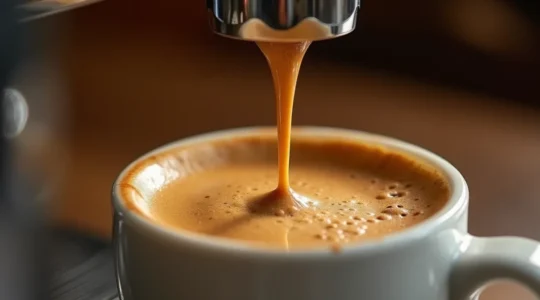
Understanding your machine’s pump type and adjusting the Over-Pressure Valve (OPV) allows you to dial in the exact pressure profile your coffee needs. Visual assessment helps too—watching for proper crema formation (the golden foam indicating CO₂ release and emulsified oils) and timing the extraction provides immediate feedback on your technique.
Slow coffee methods like pour-over brewing prioritize clarity over body. A paper filter removes oils and fine particles, producing a clean cup that highlights delicate flavors. Cone geometry matters significantly—devices like the V60 use a steep angle and single large hole, giving you control over flow rate through pouring speed and pattern.
The bloom phase—that initial pour that saturates grounds and allows CO₂ to escape—sets up the entire extraction. Skipping or rushing this step leads to uneven extraction as trapped gas prevents water contact. Mastering pouring agitation (how your pour disturbs the coffee bed) and preventing channeling in the cone requires practice but delivers remarkably nuanced results.
French press and similar immersion methods steep coffee grounds in water before filtering. This approach offers more consistency because extraction time becomes the primary variable—grind size and water temperature matter, but you can’t under-extract by pouring incorrectly. The trade-off is heavier body and some sediment (the “sludge” at the bottom) since metal filters can’t capture the finest particles paper removes.
Avoiding over-agitation during plunging and optimizing your cleaning routine prevents rancid oil buildup that degrades flavor over time. Compare plunger materials if you’re particular—metal filters pass more oils than newer mesh options, creating noticeably different body.
Specialty coffee increasingly emphasizes traceability—knowing exactly where beans originated and how farmers were compensated. This isn’t just ethical purchasing; it’s quality assurance. Coffees tracked to specific micro-lots (small, distinct harvest areas) generally represent higher quality than generic regional blends.
When evaluating sourcing claims, verify the origin data. Legitimate specialty roasters provide farm names, processing details, and often elevation ranges. Regional sub-zones matter—”Ethiopian coffee” tells you almost nothing, while “Yirgacheffe, Gedeb district, Worka Chelbessa washing station” indicates traceable, likely exceptional coffee. Understanding trademark laws helps too, as some origin names carry protected geographical status.
Analyzing bean size and shape offers quality clues. Larger, more uniform beans (often graded as AA or similar) typically command higher prices, though this varies by origin. Density affects storage requirements—denser high-altitude beans preserve freshness longer than lower-grown, less dense options.
Avoid FOMO marketing that creates artificial scarcity. While some coffees are genuinely limited, sustainable quality comes from building relationships with consistent producers rather than chasing rare lots. Store precious beans properly regardless—airtight containers away from light, heat, and moisture preserve flavor far better than decorative jars on countertops.
Understanding these fundamentals transforms how you approach your daily coffee. Start by calibrating your equipment for the specific beans you’re using—a Brazilian natural and an Ethiopian washed coffee demand different grind settings and water temperatures, even in the same brewer. Compare your brewing vessel’s heat retention characteristics; thermal shock from temperature swings during brewing extracts inconsistently.
Determine each coffee’s optimal drinking window by tasting it at different temperatures. Many complex coffees reveal different flavor notes as they cool, while simpler profiles taste best immediately. This isn’t snobbery—it’s paying attention to how temperature affects perception of acidity, sweetness, and body.
Experiment with matching roast levels to brewing methods. Lighter roasts generally excel in slow brewing methods that have time to extract their nuanced acidity, while darker roasts often perform better in espresso where pressure and temperature can penetrate their denser cellular structure. Avoid acidity mismatch by understanding your preference—if bright, citric coffee bothers you, seek naturally processed beans from lower altitudes rather than fighting against washed Ethiopian varietals.
Coffee mastery isn’t about following rigid rules—it’s about understanding the principles well enough to make intentional choices. Each variable you control, from sourcing to final extraction, builds toward consistently excellent results that reflect your personal taste preferences rather than arbitrary standards.
The belief that 100% Arabica is the only path to a quality espresso is a modern myth; the thick, stable crema and bold flavor of a true Italian shot is a feat of engineering that is impossible without Robusta. Robusta…
Read more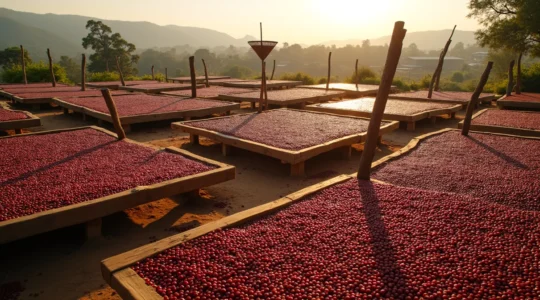
You might notice that natural processed coffees sometimes taste inconsistent. That’s not a flaw; it’s the signature of a farmer’s month-long, high-stakes tightrope walk. We aren’t just drying fruit; we’re conducting a wild fermentation where every hour presents a risk…
Read more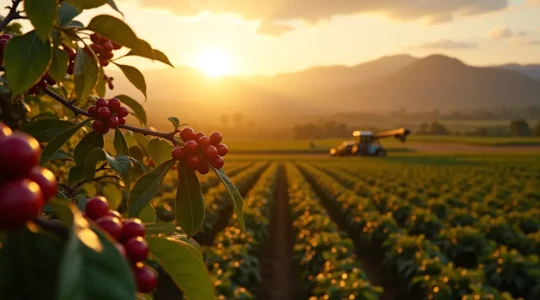
For coffee lovers who cherish a low-acid, heavy-bodied cup, Brazilian coffee is the undisputed champion. But for us as blenders, its value goes far beyond the classic chocolate and nut profile. Brazil’s true genius lies in its structural reliability—a predictable,…
Read more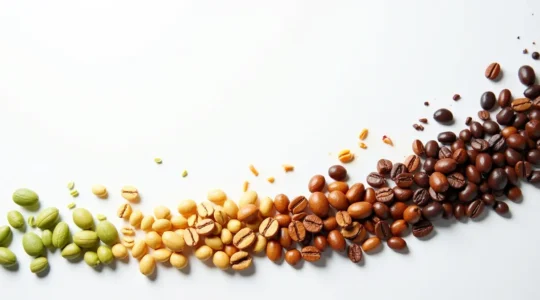
Achieving consistent caramel sweetness in your coffee roast is not an art, but a matter of precise chemical control over sugar transformation. Sweetness development begins with the Maillard reaction around 140°C and intensifies with caramelization above 170°C. Controlling the Rate…
Read more
The common debate over whether Castillo has ‘worse’ flavor than Caturra is fundamentally flawed; cup quality is not determined by variety alone. Scientific blind cuppings show no significant overall score difference, though flavor profiles are distinct: Castillo often presents fruity/chocolate…
Read more
Authenticating premium Sidamo coffee is not about taste; it’s a forensic investigation into physical evidence, supply chain data, and economic red flags. Counterfeits range from lower-grade Sidamo (like G4) sold as specialty to entirely different regional beans (like Guji) being…
Read more
Beyond the simple tasting notes, the choice between Yirgacheffe and Sidamo is a decision about sensory structure and genetic expression. Yirgacheffe’s potential is in its delicate, volatile aromatics like jasmine, unlocked by specific brewing techniques. Sidamo’s character is defined by…
Read more
The high price of a micro-lot is only justified if you treat it as an investment in a verifiable story and a targeted sensory education, not just a better daily drink. Micro-lots offer unique, singular flavor profiles tied to a…
Read more
In summary: Your coffee is bitter not just from brewing too long, but from tiny coffee particles (fines) that continue to extract bitterness. Letting coffee sit after plunging is a primary cause of harshness, as extraction never truly stops in…
Read more
V60 clogging is rarely a simple grind size issue; it’s a failure in flow dynamics caused by a collapsed coffee bed structure. Inconsistent drawdown is a symptom of either channeling (too fast) or compaction (too slow), which can be precisely…
Read more