
The marriage of coffee and chocolate represents one of the most sophisticated yet accessible flavor pairings in culinary arts. Both derived from complex botanical sources, these ingredients share remarkable chemical similarities—over 600 aromatic compounds—while offering distinct sensory profiles that can either complement or clash dramatically. Understanding how to orchestrate these two powerhouses transforms a simple snack into a memorable sensory experience.
Mastering coffee and chocolate pairings requires more than simply placing a truffle beside an espresso cup. It demands an understanding of thermal dynamics, flavor intensity hierarchies, and the precise timing that allows your palate to perceive each element at its peak. This comprehensive resource explores the foundational principles that govern successful pairings, from the physics of temperature contrast to the art of creating bridging flavors that unite seemingly disparate profiles.
Temperature plays a dramatically underestimated role in how we perceive flavor compounds. When hot coffee meets cold chocolate—as exemplified in the classic affogato—a phenomenon called thermal shock occurs that fundamentally alters your sensory experience.
Hot liquids enhance the volatility of aromatic compounds, releasing flavor molecules more rapidly and intensifying perceived bitterness and acidity. Conversely, cold chocolate suppresses these same compounds while emphasizing sweetness and texture. The temperature differential creates a dynamic tasting experience where flavors evolve in real-time as temperatures equalize. Think of it as watching a time-lapse photograph develop—the flavor profile at second one differs markedly from second thirty.
The container you choose directly impacts how quickly thermal equilibrium occurs. Consider these factors:
Temperature-sensitive pairings demand precise timing. Serve immediately after assembly—waiting even 90 seconds can collapse the intended contrast. For affogato-style presentations, pour the hot element tableside to maximize the thermal differential your guest experiences. The sizzle and steam become part of the sensory theater.
The most common pairing failure occurs when intensity levels misalign. A delicate single-origin Ethiopian coffee with bright floral notes will be completely overpowered by a 90% cacao dark chocolate, while a robust French roast will bulldoze through the nuances of white chocolate infused with vanilla.
Approach intensity matching like balancing weights on a scale. Light roast coffees—characterized by higher acidity and fruit-forward profiles—pair beautifully with milk chocolate (40-50% cacao) or chocolates featuring fruity inclusions like raspberry or orange. Medium roasts with balanced acidity and body can handle semi-sweet chocolate (60-70% cacao), while dark roasts with their pronounced bitterness and lower acidity require the bold tannins of 75%+ dark chocolate to create equilibrium rather than competition.
Consider the origin story of both ingredients. A coffee from Madagascar with its bright, citrus-like acidity finds harmony with chocolate from the same terroir, creating a geographically coherent pairing that shares underlying flavor compounds developed in similar soil and climate conditions.
When coffee and chocolate seem fundamentally incompatible—perhaps a smoky Indonesian coffee and a creamy gianduja—a bridge flavor creates the missing connection. This third element shares characteristics with both primary components, acting as a flavor translator.
Effective bridges possess aromatic or textural qualities present in both coffee and chocolate. Common examples include:
To implement bridging, introduce the third element between your coffee and chocolate experiences rather than simultaneously. For instance, take a sip of coffee, eat a caramel, then taste the chocolate. This sequential approach allows your palate to recognize the connecting thread. Alternatively, select chocolates with built-in bridges—a dark chocolate with almond pieces pairs seamlessly with nutty Brazilian coffees without requiring additional components.
The order in which you consume coffee and chocolate dramatically affects perception. Your palate has limited capacity to process intense flavors before experiencing fatigue—a phenomenon where subsequent tastes become muted or indistinguishable.
Generally, progress from lighter to darker and from sweeter to more bitter. Begin with milk chocolate paired with light roast coffee, then advance toward dark chocolate with espresso. This progression prevents the intense tannins of dark chocolate or the aggressive bitterness of over-extracted coffee from desensitizing your palate to more delicate subsequent flavors.
For single pairings, alternate between coffee and chocolate rather than finishing one entirely before starting the other. Take a small bite of chocolate, allow it to melt and coat your palate, then sip coffee. The residual chocolate fat will carry coffee flavors differently than tasting on a clean palate, revealing new dimensions in both.
During extended tasting sessions, employ palate cleansers strategically. Plain water, neutral crackers, or thin apple slices reset your taste receptors without introducing competing flavors. Allow 45-60 seconds between pairings for your palate to recover—rushing through combinations leads to diminishing returns where the fifth pairing registers as merely “brown and bitter.”
Two competing schools of thought govern pairing strategy: complementary pairings that emphasize shared characteristics, and contrasting pairings that highlight differences.
Complementary pairings double down on existing flavors. A coffee with chocolate tasting notes paired with chocolate creates a reinforcing effect—like singing in harmony. This approach works beautifully when both elements are high quality, as it amplifies their best characteristics. Pair a mocha-flavored Yirgacheffe with milk chocolate for a cocoa echo chamber that feels luxuriously cohesive.
Contrasting pairings create excitement through opposition. A bright, acidic Kenyan coffee cuts through the fatty richness of dark chocolate ganache, each element providing relief from the intensity of the other. This approach demands more careful calibration—too much contrast becomes discord rather than dynamic tension. The key lies in ensuring the contrast involves different flavor dimensions (acidity versus fat, for example) rather than competing for the same sensory space.
Neither philosophy is superior; your choice depends on the experience you want to create. Complementary pairings feel comforting and intuitive, ideal for casual enjoyment. Contrasting pairings demand attention and engagement, making them perfect for mindful tasting events or when you want to showcase the unique qualities of exceptional single-origin ingredients.
Theory means little without proper execution. Even a perfectly conceptualized pairing can fail through technical errors in preparation or service.
When creating hot-cold combinations like affogato, pour from a height of approximately 4-6 inches in a steady stream directly onto the center of the chocolate or ice cream. This height creates visual drama without causing excessive splashing, while the concentrated pour point creates an intentional melting zone. Avoid drizzling or multi-point pouring, which dissipates thermal impact and creates uneven melting.
Bitterness represents the most common pairing pitfall. Both coffee and dark chocolate contain bitter compounds that can compound into an unpleasant experience. To prevent this:
Presentation matters more than aesthetics alone suggest—it primes expectations and guides the tasting experience. Provide separate small plates for chocolate to prevent cross-contamination of flavors. Offer room-temperature water in neutral glassware. Arrange pairings in the intended tasting sequence from left to right. Include minimal written guidance—perhaps just origin information—allowing tasters to form unbiased impressions before reading suggested flavor notes.
Mastering coffee and chocolate pairings transforms these beloved ingredients into something greater than the sum of their parts. By understanding thermal dynamics, matching intensity levels thoughtfully, employing bridge flavors when needed, and sequencing your tasting with intention, you create memorable experiences that honor the complexity both coffee and chocolate offer. Start with these foundational principles, then trust your palate to guide you toward combinations that resonate with your personal preferences.
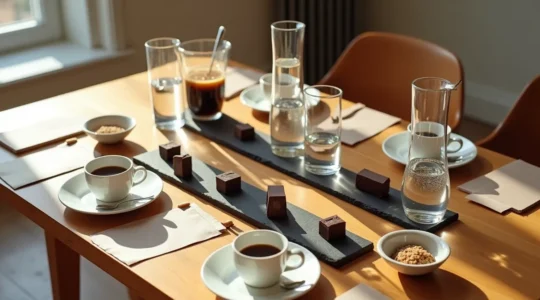
In summary: Success lies in understanding the science of “flavor bridging” between coffee and chocolate. Arrange your tasting from lightest to darkest, both in coffee roast and chocolate intensity, to avoid palate fatigue. For beginners, a complementary strategy (matching intensities…
Read more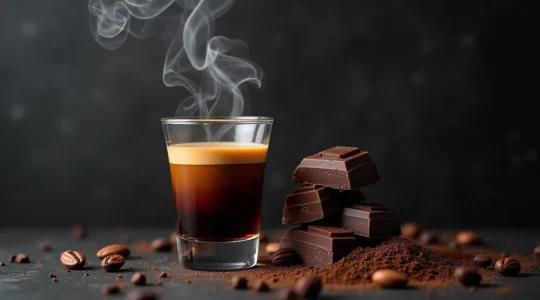
The perfect coffee and chocolate pairing isn’t about matching intensity, but about building a deliberate molecular architecture. Shared compounds like pyrazines create “flavor bridges,” while mismatched acidity leads to sensory clashes. Fats and sugars in chocolate physically block bitterness receptors…
Read more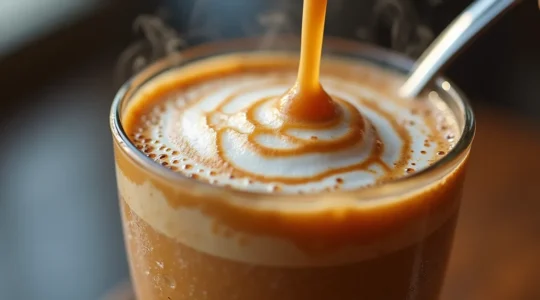
The perfect affogato is not a recipe, but a mastery of thermal shock; its failure is almost always due to incorrect technique, not poor ingredients. The structure of gelato is destroyed by rapid temperature change, creating icy crystals instead of…
Read more