
The world of culinary experiences extends far beyond simply eating delicious food. It encompasses a rich tapestry of sensory perceptions, emotional connections, and carefully crafted presentations that transform ordinary meals into memorable moments. Whether you’re a home cooking enthusiast looking to elevate your dessert game or someone curious about the science behind what makes food truly unforgettable, understanding the foundations of culinary experiences and leisure will fundamentally change how you approach, appreciate, and share food.
This comprehensive resource explores five interconnected dimensions that define exceptional culinary experiences: the science of sensory tasting, the artistry of dessert presentation, the emotional resonance food creates, the power of personalization, and the development of professional-level tasting skills. Each element plays a crucial role in transforming simple consumption into a holistic experience that engages all the senses, triggers memories, and creates lasting impressions. By mastering these fundamentals, you’ll gain the confidence to craft experiences that delight not just the palate, but the mind and heart as well.
Sensory tasting represents the foundation of any meaningful culinary experience. It’s not merely about identifying whether something tastes good or bad, but understanding the complex interplay of flavors, aromas, textures, and temperatures that create a complete sensory picture.
The most captivating desserts achieve their magic through flavor synergies—combinations where individual components enhance and amplify each other rather than competing for attention. Think of how chocolate and raspberry work together: the tartness of the berry cuts through chocolate’s richness, while the chocolate provides a deep, comforting base that makes the fruit’s brightness shine even more. This isn’t accidental; it’s based on complementary flavor compounds that our taste receptors recognize as harmonious.
When exploring complex pastry flavors, consider how different taste profiles interact. Sweet and salty create contrast that heightens both sensations. Bitter components like dark chocolate or coffee can provide sophisticated depth that prevents desserts from becoming one-dimensional. The key is understanding that natural flavors contain hundreds of aromatic compounds, while artificial profiles typically focus on just a few dominant notes—a crucial distinction that affects both complexity and how flavors evolve on your palate.
Temperature dramatically influences flavor perception in ways most people never consciously notice. Cold temperatures suppress sweetness and mute aromatic volatiles, which is why ice cream tastes less sweet when frozen solid than when slightly melted. Conversely, warm desserts release more aromatic compounds, making flavors more pronounced and immediate.
The sequence in which you taste multiple items matters enormously. Professional tasters follow a deliberate progression, typically moving from:
Between tastings, neutral palate cleansers like water, plain bread, or apple slices help reset your taste receptors, preventing flavor clashes that occur when incompatible residual tastes interfere with new samples.
Ambiance isn’t mere decoration—it’s a critical component of sensory experience. Research consistently shows that environmental factors like lighting, music, temperature, and even plate color influence how we perceive taste. Soft, warm lighting tends to make people perceive food as more flavorful and enjoyable, while harsh fluorescent lighting can diminish appetite and satisfaction.
Sound also plays an unexpected role. Studies have demonstrated that background music tempo affects eating pace, while certain frequencies can actually enhance perception of sweetness or bitterness. Even the weight of cutlery and the texture of table linens contribute to the overall sensory package that our brains process as “the tasting experience.”
Visual presentation serves as the crucial first impression, setting expectations and beginning the sensory journey before the first bite. Professional plating techniques transform home desserts into restaurant-worthy creations through understanding a few fundamental principles.
Borrowed from photography and visual arts, the rule of thirds divides your plate into a 3×3 grid. Placing your focal point—typically the main dessert component—at the intersection of these lines creates natural visual balance that feels instinctively pleasing. This prevents the common mistake of centering everything, which can appear static and unimaginative.
Composition also involves considering height, color contrast, and negative space. A flat dessert can benefit from vertical elements like a tuile cookie or chocolate shard. White plates make colors pop, while dark plates create drama and sophistication—though they can make lighter desserts appear washed out. The key is intentional choice based on what you’re showcasing.
The quenelle technique—creating elegant, three-sided oval shapes with ice cream, mousse, or whipped cream—elevates presentation immediately. Using two spoons, you pass the mixture back and forth, rotating slightly with each pass to create smooth, professional-looking forms that add refinement to any plate.
Other fundamental techniques include:
Remember that plating is about enhancing the eating experience, not creating obstacles. Every decorative element should be edible and contribute meaningfully to the overall composition.
The most memorable culinary experiences transcend taste alone, tapping into emotions, memories, and psychological responses that make food deeply personal and meaningful.
Named after Marcel Proust’s famous madeleine passage, the Proust effect describes how smells and tastes trigger vivid autobiographical memories with powerful emotional resonance. This happens because our olfactory system connects directly to the brain’s limbic system—the area governing emotion and memory—creating uniquely strong associations.
You can intentionally leverage this phenomenon by creating emotional tasting menus that incorporate familiar comfort elements alongside novel presentations. A deconstructed apple pie might evoke childhood memories while simultaneously presenting something visually sophisticated and unexpected. The emotional anchor of recognition combined with the delight of novelty creates a particularly satisfying experience.
The distinction between comfort food and gourmet presentations isn’t about quality—it’s about emotional register. Comfort foods provide psychological reassurance through familiarity, while gourmet preparations offer intellectual stimulation and the pleasure of discovery. The most skilled culinary experiences often bridge both, offering familiar flavors in unexpected contexts.
Avoiding dissonance in dining means ensuring that all elements—flavor, presentation, ambiance, service style—align with a coherent emotional narrative. A rustic, nostalgic dessert served on ultra-modern minimalist plateware creates cognitive dissonance that can diminish enjoyment. Conversely, when all elements harmonize, they reinforce each other powerfully.
The surprise element adds another dimension entirely. Unexpected textural contrasts, hidden flavor layers that reveal themselves progressively, or visual presentations that transform when cut—these create memorable moments of delight that extend beyond the eating itself. A molten chocolate cake’s liquid center, or a sphere that breaks to reveal contrasting filling, engages our innate love of discovery and transformation.
Customization transforms passive consumption into active participation, creating investment and ownership that deepens satisfaction and engagement.
Research in behavioral psychology consistently shows that personalized experiences generate higher satisfaction even when objective quality remains constant. This “IKEA effect”—where we value things more when we’ve had a hand in creating them—applies powerfully to food experiences.
The psychology of names illustrates this perfectly. Dishes with evocative, personalized descriptions consistently receive higher ratings than identical items with generic labels. “Grandma’s traditional apple tart” outperforms “apple tart” not because it tastes different, but because it creates a narrative connection that engages imagination and emotion.
Flavor profile quizzes that help guests choose desserts aligned with their preferences add an element of self-discovery and validation. When someone feels that a recommendation was crafted specifically for their unique palate, they approach the experience with heightened attention and appreciation. This works whether you’re hosting a dinner party or designing a tasting menu—the key is making individuals feel seen and considered.
Customization carries serious responsibilities, particularly regarding allergens. What might seem like minor personalization—swapping one nut for another—can have life-threatening consequences. Establishing clear systems to track and communicate allergen information isn’t optional; it’s fundamental to any customization program.
Best practices include:
Delivery timing for customized elements also matters significantly. A warm dessert that arrives cold, or a carefully constructed frozen element that’s melted, undermines even the most thoughtful personalization. Build timing considerations into your planning from the outset, ensuring that customization enhances rather than compromises execution.
While natural appreciation for food is universal, professional-level sensory skills can be systematically developed through deliberate practice and structured learning.
Skill acquisition in sensory evaluation follows predictable stages. Initially, you’ll focus on basic identification—is this sweet, salty, bitter, sour, or umami? With practice, you’ll develop the ability to detect subtle variations and identify specific flavors within complex combinations. Eventually, expert tasters can deconstruct layered desserts into individual components and even estimate proportions.
Preparing for workshops or certification programs requires building foundational vocabulary and reference experiences. Start by tasting individual ingredients in isolation—different chocolates, vanilla extracts, fruit purees—to develop clear sensory memories. Keep a tasting journal noting specific descriptors rather than vague impressions. “Bright acidity with stone fruit notes” provides more useful reference than “tastes good.”
Various certification bodies offer structured programs, from beginner appreciation courses to professional sommelier-level credentials. When comparing options, consider factors like curriculum depth, practice opportunities, industry recognition, and whether the focus aligns with your interests—pastry-specific programs differ significantly from wine or coffee certifications, even though sensory fundamentals overlap.
Sensory bias represents the most significant obstacle to accurate tasting. Our expectations powerfully influence perception—studies show that people consistently rate identical wines differently based solely on price information or label design. Professional tasters combat this through blind tasting protocols that remove visual and contextual cues.
Other common pitfalls include:
Applying skills daily transforms occasional practice into ingrained expertise. This doesn’t mean formal tasting sessions constantly—it means bringing mindful attention to everyday eating, consciously noting textures, identifying flavor components, and considering how different elements interact. Over time, this awareness becomes automatic, enriching every culinary experience naturally.
The journey into culinary experiences and leisure is fundamentally about developing deeper awareness and appreciation for the multifaceted nature of food. By understanding the science of tasting, mastering presentation techniques, recognizing emotional dimensions, embracing personalization thoughtfully, and continuously developing your sensory skills, you transform eating from routine necessity into rich, meaningful experience. Each element reinforces the others, creating a holistic approach that elevates both the food you prepare and your capacity to fully enjoy what others create. The most exciting aspect? This journey has no endpoint—there’s always another flavor to explore, another technique to master, another connection to discover.
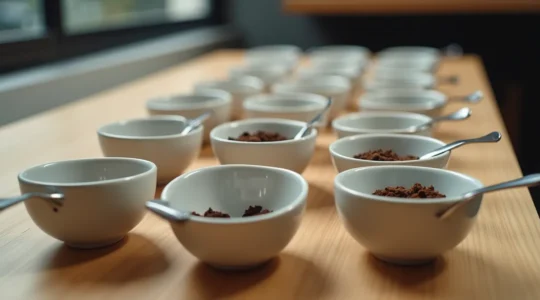
A professional tasting workshop is less a class and more a career accelerator, transforming your subjective taste into an objective, valuable skill. Hands-on training is essential for building an “olfactory memory palace,” something books and videos can’t replicate. Certifications like…
Read more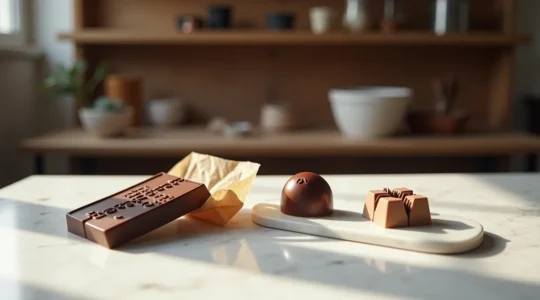
The true value of a custom chocolate gift isn’t the logo on the wrapper; it’s the specific story it tells about your relationship with the recipient. Personalization triggers a psychological sense of being uniquely seen and valued. Matching flavors to…
Read more
We all know the smell of vanilla can instantly transport us back in time. But this phenomenon is far more than simple nostalgia. The true power of scent lies in its unique, direct wiring to the brain’s emotional centers, making…
Read more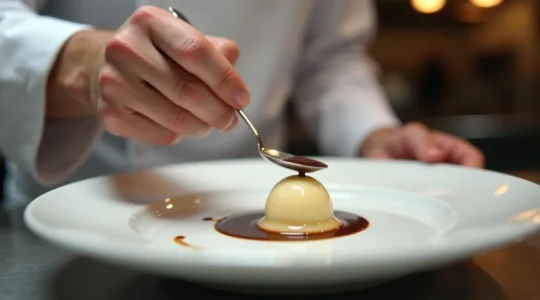
In summary: Embrace intentional asymmetry by placing your main element off-center to create visual interest and perceived value. Master temperature dynamics, using techniques like the back-of-a-spoon pour for hot sauces on cold desserts to prevent melting. Choose your plate like…
Read more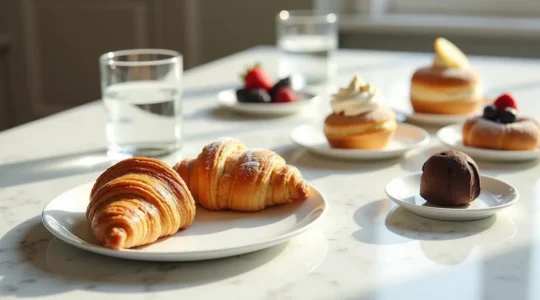
In summary: Achieving a gourmet experience is about technique, not budget. Focus on how flavors are perceived. Serve pastries at slightly below room temperature to unlock their full aromatic potential. Structure the tasting from light and acidic to rich and…
Read more