

The key to cocoa’s cardiovascular benefits isn’t eating more dark chocolate; it’s implementing a precise protocol to maximize the bioavailability of flavanols, the active compounds.
- Processing is critical: “Dutch-processed” or “alkalized” cocoa destroys the vast majority of beneficial flavanols, regardless of the cacao percentage.
- Dosage matters: Therapeutic effects are seen at specific dosages (around 500mg of flavanols), which are difficult to achieve from commercial chocolate without consuming excess sugar and calories.
Recommendation: Shift your focus from chocolate as a treat to unsweetened, natural cocoa powder or high-flavanol supplements as a targeted nutritional tool for heart health.
For individuals managing hypertension, the search for supportive dietary interventions is a constant. Among the many natural options explored, cocoa has emerged as a particularly promising candidate. You’ve likely heard the advice to eat dark chocolate for its heart-healthy benefits, a welcome suggestion for many. This recommendation is often tied to the idea that it’s rich in antioxidants and good for you. While there is a kernel of truth in this, this generalized advice overlooks the most critical factors that determine whether your cocoa consumption is a therapeutic tool or just a high-sugar indulgence.
The true power of cocoa doesn’t lie in the percentage on the wrapper or the darkness of the bar. It resides in a specific group of bioactive compounds called flavanols. However, their potency is fragile and highly dependent on processing, preparation, and dosage. This is where most well-intentioned efforts fail. The common mistake is to assume any dark chocolate will do, leading to an intake high in sugar and fat but critically low in the very compounds needed to effect change.
This guide moves beyond the platitudes. We will deconstruct the science behind cocoa flavanols and their impact on blood pressure. Instead of vague recommendations, we will build a precise, evidence-based protocol. We’ll explore how these compounds work, how to identify products that retain them, the debate between whole foods and supplements, and the correct dosage and timing to potentially harness their benefits for cardiovascular health, all from a clinical nutrition perspective.
To navigate this complex topic effectively, this article is structured to guide you from the fundamental science to practical, everyday application. The following summary outlines the key areas we will cover, ensuring you have a clear roadmap to understanding how cocoa can be integrated into a heart-conscious lifestyle.
Summary: A Guide to Using Cocoa for Blood Pressure
- Why Cocoa Flavanols Relax Blood Vessels?
- How to Read Labels to Ensure High Flavanol Content?
- Cocoa Extract Pills vs Dark Chocolate: Which is More Bioavailable?
- The Dosage Mistake: Eating Too Much Sugar to Get Flavanols
- When to Eat Chocolate for a Workout Boost: Pre-Gym Blood Flow
- Why Cocoa Nibs Contain More Antioxidants Than Dark Chocolate?
- How to “Bloom” Cocoa Powder to Unlock 50% More Flavor?
- Why Eating Chocolate Makes You Happy: The Tryptophan Connection?
Why Cocoa Flavanols Relax Blood Vessels?
The primary mechanism behind cocoa’s benefit for blood pressure lies in its effect on the endothelial function. The endothelium is the thin layer of cells lining your blood vessels, and its health is paramount for cardiovascular wellness. Cocoa flavanols act as a key signaling molecule, prompting these endothelial cells to produce more Nitric Oxide (NO). This gas is a potent vasodilator, meaning it signals the smooth muscles in your artery walls to relax and widen. This relaxation lowers the resistance to blood flow, thereby reducing blood pressure.
The effect is not merely theoretical; it’s quantifiable. A major Cochrane review of 40 different treatment comparisons found that regular intake of flavanol-rich cocoa products could lead to a small but statistically significant reduction in blood pressure, with average decreases of -1.76 mmHg systolic and -1.76 mmHg diastolic. While this may seem modest, even small, consistent reductions contribute to long-term cardiovascular risk reduction.
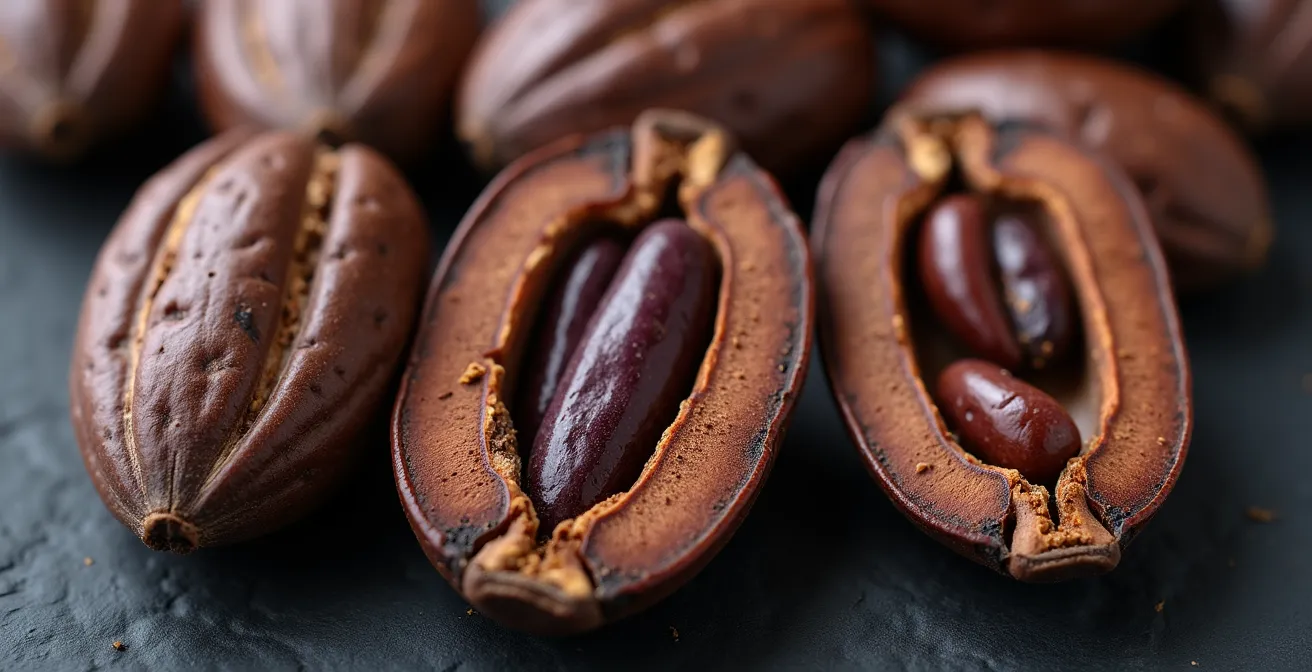
Interestingly, the body appears to use this mechanism intelligently. A pioneering real-life study from the University of Surrey found that cocoa flavanols only lowered blood pressure and arterial stiffness when they were elevated. On days when a participant’s blood pressure was already low, the cocoa had no effect, suggesting a built-in regulatory function that prevents blood pressure from dropping too low. The study also noted that the peak effect occurred about eight hours after consumption, likely because the flavanols must first be metabolized by our gut bacteria into a more bioactive form.
How to Read Labels to Ensure High Flavanol Content?
The most significant error consumers make is assuming a high cacao percentage (e.g., 85%) guarantees high flavanol content. The single most important factor determining flavanol levels is the processing method, specifically whether the cocoa has been “alkalized” or “Dutch-processed.” This process involves washing cocoa beans in an alkaline solution to reduce acidity, darken the color, and create a milder flavor. While desirable for baking, this is devastating for the product’s health benefits.
Research is unequivocal on this point: heavy Dutch processing can destroy the vast majority of these delicate polyphenols. Studies show that up to 90% of flavanols are destroyed during alkalization. This means a 90% Dutch-processed chocolate bar could have fewer active flavanols than a 70% bar made with natural, non-alkalized beans. Therefore, reading the ingredient list is far more important than reading the percentage on the front of the package.
To ensure you are selecting a product with therapeutic potential, you must become a discerning label reader. The goal is to find products that have been minimally processed to preserve their natural chemical profile.
Your Checklist for Identifying High-Flavanol Cocoa
- Check the ingredient list: Actively look for terms like “natural,” “non-alkalized,” or “raw.” Avoid any product that lists “processed with alkali” or “Dutch-processed.”
- Prioritize ‘cacao’ over ‘cocoa’: While not a regulated term, products labeled as ‘cacao’ are more likely to be raw or minimally processed compared to those labeled ‘cocoa.’
- Look for transparency: Search for brands that are transparent about their processing and, ideally, provide third-party lab testing results listing the actual flavanol content in milligrams (mg) per serving.
- Aim for a high flavanol percentage: Some specialized products may state their flavanol content. Aim for those containing at least 4% naturally conserved cocoa flavanols by weight.
- Understand percentage limitations: Remember that a high cacao percentage is a good starting point, but it does not guarantee high flavanol content if the cocoa has been alkalized. The processing method always matters more.
Cocoa Extract Pills vs Dark Chocolate: Which is More Bioavailable?
Once you understand the importance of flavanols, the next logical question is the best delivery method: should you eat it in its whole food form (dark chocolate) or take a concentrated supplement? Both have distinct advantages and disadvantages related to bioavailability, dosage precision, and caloric impact. Dark chocolate contains cocoa butter, a natural fat that can aid the absorption of fat-soluble flavanols. It also provides a matrix of other beneficial compounds, including minerals like magnesium and stimulants like theobromine, which work synergistically.
However, chocolate’s flavanol content is highly variable and comes with a significant payload of sugar and calories. This is where supplements shine. Cocoa extract pills offer a standardized, calorie-free dose of flavanols. The landmark COSMOS trial (COcoa Supplement and Multivitamin Outcomes Study) provided strong evidence for this approach. It found that supplementing with 500mg of cocoa flavanols daily showed a potential to reduce cardiovascular events and reduced cardiovascular death by 27% in the per-protocol analysis. This demonstrates the power of a consistent, therapeutic dose that is difficult and often impractical to obtain from chocolate alone.
The choice between them depends on your primary goal. For general well-being, a small portion of high-quality, non-alkalized dark chocolate can be a beneficial part of a balanced diet. For a targeted therapeutic protocol aimed specifically at blood pressure management, a standardized cocoa extract supplement is a more reliable and clinically validated approach.
This comparative table, based on findings from research bodies like Mars Cocoa Science which supported the COSMOS trial, breaks down the key differences to help you make an informed decision.
| Factor | Cocoa Extract Pills | Dark Chocolate |
|---|---|---|
| Standardization | Precise 500mg flavanols per dose | Variable (depends on processing) |
| Additional Compounds | Isolated flavanols only | Theobromine, minerals, cocoa butter |
| Absorption Enhancement | May use cyclodextrin binding | Natural cocoa butter aids fat-soluble flavanol absorption |
| Caloric Impact | Minimal calories | 150-200 calories per therapeutic dose |
| Sugar Content | Zero | 5-15g per serving (even in 85%+) |
The Dosage Mistake: Eating Too Much Sugar to Get Flavanols
One of the most critical aspects of using cocoa therapeutically is achieving the correct dose without negating the benefits with excess sugar and calories. The vasodilation and antioxidant effects of flavanols are dose-dependent. Based on major clinical trials like COSMOS, the therapeutic target for cardiovascular benefits appears to be in the range of 500-750mg of cocoa flavanols daily. The challenge is that commercial chocolate is not designed as a health supplement. Reaching this flavanol target by eating chocolate would require consuming a very large quantity, along with its associated sugar and fat.
For instance, a typical 40g serving of 85% dark chocolate might contain anywhere from 100mg to 250mg of flavanols, depending on its processing. To reach the 500mg target, you might need to eat 80-160g of chocolate, which could pack over 800 calories and 20g of sugar. This level of sugar intake can itself contribute to inflammation and metabolic issues, directly counteracting the cardiovascular benefits you seek. This is the central dosage mistake: chasing flavanols with a high-sugar vehicle.
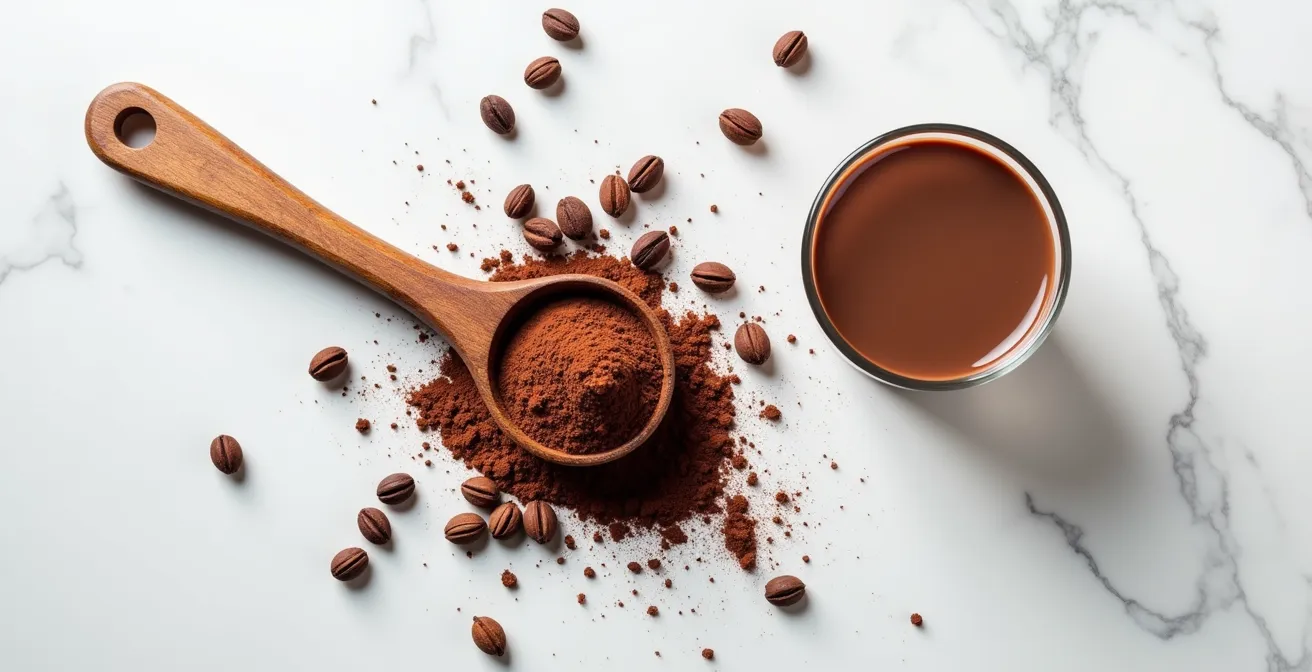
The most effective strategy is to decouple the flavanols from the sugar. This is best achieved by using unsweetened, natural (non-alkalized) cocoa powder. Two tablespoons of high-quality natural cocoa powder can provide a significant portion of the daily flavanol target with virtually no sugar and minimal calories. A practical approach is to create a daily “health shot” by mixing two tablespoons of this powder with hot water or unsweetened plant-based milk. If you prefer solid food, raw cocoa nibs offer 100% cacao with zero sugar, providing flavanols in their most unadulterated form.
When to Eat Chocolate for a Workout Boost: Pre-Gym Blood Flow
Beyond daily blood pressure management, the vasodilating effects of cocoa flavanols can be strategically timed to enhance other activities, particularly exercise. The improved blood flow driven by Nitric Oxide production means better delivery of oxygen and nutrients to working muscles and more efficient removal of metabolic waste. This can translate to improved performance, endurance, and potentially faster recovery. The key is timing your consumption to align with the peak bioavailability of the flavanols.
Research and expert analysis provide a clear window for this. As a leading voice in health and performance science, Dr. Peter Attia has discussed this phenomenon, noting that for most people, the vasodilation effect from cocoa flavanols is most pronounced after a certain delay. In a discussion on this topic, he states:
The vasodilation effect from cocoa flavanols peaks approximately 90-120 minutes after consumption.
– Dr. Peter Attia, FoundMyFitness podcast on blood pressure
This 90-120 minute window is your target for pre-workout consumption. Taking a flavanol-rich cocoa shot or supplement about two hours before hitting the gym or starting a run ensures that NO levels are peaking right when your muscles need the enhanced blood flow the most. This strategic timing transforms cocoa from a general health food into a specific ergogenic aid. This benefit isn’t just for healthy athletes; research from UCSF showed that heart disease patients consuming a high-flavanol cocoa beverage twice daily for 30 days had significantly improved blood vessel function, highlighting its potent restorative effects on the vascular system.
Why Cocoa Nibs Contain More Antioxidants Than Dark Chocolate?
In the quest for the most potent source of cocoa flavanols, it’s essential to go as close to the origin as possible. Cocoa nibs are simply crushed, fermented, and dried cocoa beans. They are the direct precursor to all chocolate products. A chocolate bar, even a high-percentage dark one, is several steps removed from this raw state. It involves grinding the nibs into a liquor, often adding sugar, emulsifiers, and extra cocoa butter, and then conching and tempering the mixture. Each of these steps, especially those involving heat, can degrade the sensitive flavanol compounds.
Cocoa nibs bypass this extensive processing. Because they are essentially just the broken-up, raw bean, they retain a much higher concentration of their original polyphenols. While a dark chocolate bar’s flavanol content is a mystery dependent on its unique production line, nibs offer a more consistent and potent source. They are, in essence, 100% cacao in its most unadulterated, edible form.
The quantitative difference is striking. Research comparing various cocoa products has shown that minimally processed, natural cocoa powders and nibs are in a different league from their heavily processed counterparts. For example, some studies show natural cocoa powders contain around 34.6 mg of flavanols per gram, whereas a heavily processed powder might contain as little as 3.9 mg/g. Because nibs are the direct source material for this powder, they represent one of the most concentrated whole-food sources of these beneficial antioxidants available, free from the added sugars and fats found in a finished chocolate bar.
How to “Bloom” Cocoa Powder to Unlock 50% More Flavor?
For those using natural cocoa powder as their primary flavanol source, there is a simple culinary technique that can dramatically enhance its properties: blooming. Blooming involves mixing the cocoa powder with a hot liquid before incorporating it into a recipe or drinking it. This process does more than just dissolve the powder; it fundamentally changes its chemistry, unlocking a deeper flavor and potentially increasing the bioavailability of its compounds.
When you add cocoa powder to a hot liquid (like water, coffee, or warm oil), the heat helps to break down the powder’s cell walls. This releases trapped flavor molecules, resulting in a much richer, more complex, and less acidic chocolate taste. For this reason, bakers have used this technique for decades to create more intensely flavored cakes and brownies. But the benefit may extend beyond taste. By breaking down these cellular structures, blooming could make the flavanols within the powder more accessible for absorption by the body.
The technique is simple but requires attention to detail for optimal results. To properly bloom cocoa powder, follow these steps:
- Heat your liquid: Bring your liquid of choice (water, coffee, or a fat like coconut oil) to a temperature between 80-90°C (180-195°F). It should be very hot but not boiling, as boiling can destroy some of the more delicate flavanols.
- Combine and whisk: Add the cocoa powder to the hot liquid and whisk vigorously for 30-60 seconds. You are looking to create a smooth, uniform paste or slurry.
- Choose the right liquid for your goal: Blooming in hot water or coffee is excellent for releasing water-soluble flavor compounds. Blooming in a warm fat like ghee or coconut oil can help extract fat-soluble compounds, further enhancing absorption.
- Let it rest: Allow the bloomed mixture to sit for a minute or two before using it. This gives the chemical reactions time to fully develop.
Key Takeaways
- The cardiovascular benefits of cocoa are driven by flavanols, which improve endothelial function and increase nitric oxide to relax blood vessels.
- Processing is the most critical factor; “Dutch-processed” or “alkalized” cocoa has significantly reduced flavanol content, making “natural” or “raw” cocoa the superior choice.
- A therapeutic dose of flavanols (500-750mg) is best achieved through supplements or unsweetened natural cocoa powder to avoid the excess sugar and calories in commercial dark chocolate.
Why Eating Chocolate Makes You Happy: The Tryptophan Connection?
While the cardiovascular benefits of cocoa are rooted in its flavanol content, the well-known mood-lifting effect of chocolate is due to a completely different set of neuroactive compounds. This feeling of happiness is not just a placebo effect from eating a delicious treat; it’s a complex biochemical response in the brain. One of the key players is tryptophan, an essential amino acid that serves as the precursor to serotonin, often called the “happiness hormone.”
Chocolate contains tryptophan, but the magic happens when it’s combined with sugar. The sugar prompts a release of insulin, which helps shuttle tryptophan across the competitive blood-brain barrier more efficiently. Once in the brain, it is converted into serotonin, which regulates mood, promotes feelings of well-being, and contributes to calmness. Cacao is also recognized as one of the richest natural sources of magnesium, a mineral crucial for neurological health and often associated with relaxation and stress reduction.
Beyond tryptophan, chocolate contains a cocktail of other psychoactive substances. It contains phenylethylamine (PEA), a stimulant nicknamed the “love drug” because it can trigger the release of dopamine, creating feelings of excitement and attraction. It also contains anandamide, a cannabinoid named after the Sanskrit word for “bliss,” which activates the same brain receptors as cannabis, albeit to a much milder degree. This unique combination of compounds works synergistically to produce the characteristic feeling of contentment and happiness that chocolate is famous for.
By shifting your perspective from viewing chocolate as a confection to seeing cocoa as a functional ingredient, you can build a precise, effective, and enjoyable protocol to support your cardiovascular health. Start by examining the products you currently use, begin practicing the art of label-reading, and consider incorporating a daily, unsweetened cocoa “health shot” into your routine.
Frequently Asked Questions on High Blood Pressure: Can Daily Cocoa Consumption Lower Your Numbers?
What is anandamide and how does it affect mood?
Anandamide is known as the ‘bliss molecule’ – a cannabinoid naturally produced by our brain that chocolate contains in small amounts, contributing to feelings of well-being.
How does phenylethylamine (PEA) in chocolate influence happiness?
PEA, called the ‘love drug,’ boosts dopamine levels in the brain, creating feelings similar to falling in love or excitement.
Why does the combination of tryptophan and sugar matter?
The sugar in chocolate triggers insulin release, which helps tryptophan cross the blood-brain barrier more effectively to produce serotonin, the ‘happiness hormone.’