
The food industry is experiencing a remarkable transformation, driven by consumer curiosity, technological advancement, and a growing demand for transparency. From the coffee you brew each morning to the chocolate you savor in the afternoon, innovation is reshaping every step of the journey—from sourcing raw materials to the final presentation on your plate. These shifts aren’t just about novelty; they represent fundamental changes in how we think about quality, ethics, and the sensory experience of food.
Understanding these trends empowers you to make informed choices, whether you’re a food professional seeking to stay ahead of the curve or an enthusiastic consumer wanting to appreciate the craft behind your favorite products. This exploration covers five major innovation areas currently transforming the culinary landscape: revolutionary processing methods, transparent sourcing practices, the economics of ethical consumption, texture innovation in beverages, and digital technology in pastry arts.
One of the most exciting frontiers in food innovation involves controlled fermentation and alternative processing techniques that create flavor profiles previously considered defects. In the specialty coffee and chocolate worlds, producers are experimenting with anaerobic fermentation, extended maceration, and wild yeast cultures to develop what enthusiasts call “funky” flavors—think tropical fruit notes in coffee or unexpected tang in chocolate.
These techniques work by manipulating oxygen levels and microbial activity during processing. When coffee cherries or cacao beans ferment in sealed containers with limited oxygen, different microorganisms thrive, producing distinct flavor compounds that wouldn’t emerge through traditional methods. The result might remind you of natural wine: complex, sometimes polarizing, but undeniably unique.
The challenge lies in distinguishing intentional flavor features from actual defects. A wine-like acidity in coffee can be a prized characteristic when it results from controlled processing, but a similar taste from improper storage would be a flaw. This requires both producers and consumers to develop a more sophisticated palate and understanding of the science behind these innovations.
For home enthusiasts looking to experience these radical profiles, brewing technique matters tremendously. Funky coffees often perform best with specific water temperatures and extraction times that differ from conventional recommendations. Pairing these bold flavors with food opens another dimension—the bright acidity of an experimentally processed coffee can cut through rich pastries, while a fermented chocolate might complement aged cheeses in surprising ways.
Today’s informed consumers want to know not just where their food comes from, but how it’s been handled every step of the way. This demand has sparked innovation in raw material sourcing and storage, particularly for sensitive ingredients like green coffee beans and cacao.
Proper storage of raw coffee materials, for example, requires attention to several critical factors. Moisture content must be carefully monitored—too high and you risk mold growth, too low and the beans become brittle and lose nuanced flavors. Think of green coffee like a living ingredient rather than a shelf-stable product; it continues to evolve in storage, and conditions determine whether that evolution enhances or diminishes quality.
Smart sourcing now involves selecting origins based on specific flavor notes rather than just general quality grades. A chocolate maker might choose beans from a particular region of Ecuador for their floral characteristics, while avoiding mass-production sources where quality control allows defects that create muddy, indistinct flavors. This precision requires deep knowledge of supply chain economics and direct relationships with producers.
Storage innovations include breathable packaging that allows beans to stabilize after shipping while protecting them from moisture and unwanted odors. Professionals learn to identify early signs of problems:
Timing inventory usage has become an art in itself. While green coffee can last months under ideal conditions, most professionals recognize that freshness windows exist for optimal flavor potential, much like how vegetables taste best closer to harvest despite technically remaining edible much longer.
Perhaps no trend has gained more momentum recently than the movement toward ethical, sustainable food consumption. However, navigating this landscape requires critical thinking to separate genuine commitment from marketing rhetoric.
The economics of ethical consumption reveal uncomfortable truths. When you purchase a premium chocolate bar, the price breakdown might surprise you: packaging, shipping, and retail markup often claim larger shares than the actual cacao farmer receives. Understanding these supply chain economics helps explain why truly ethical products command higher prices—paying farmers fairly while maintaining quality standards requires restructuring traditional profit distribution.
Unfortunately, this consumer willingness to pay more has attracted “greenwashing”—brands that use sustainability language without substantive practice changes. Learning to spot these tactics protects both your wallet and your values:
Comparing legitimate certification models reveals different priorities and standards. Some focus primarily on fair wages, others on organic farming methods, and still others on comprehensive environmental impact. No single certification captures everything, which means ethical shopping requires considering which values matter most to you personally.
Carbon footprint calculations represent another complexity. A locally produced food isn’t automatically more sustainable if production methods are inefficient, just as imported items aren’t necessarily problematic if shipping methods and origin practices are optimized. Recent innovations in regenerative agriculture—farming that actively improves soil health and captures carbon—offer promising paths forward, though these products often carry premium prices reflecting the intensive management required.
The creamy, cascading texture of nitrogen-infused coffee has moved from novelty to mainstream, representing a broader trend of texture innovation in cold beverages. Understanding the science behind these innovations helps you appreciate what you’re tasting and make better choices about equipment and serving.
Nitrogen and carbon dioxide create fundamentally different sensory experiences. CO₂ produces the sharp, prickly sensation you recognize from soda—larger bubbles that provide distinct carbonation. Nitrogen creates micro-bubbles that give beverages a silky, almost creamy mouthfeel without the acidic bite. This happens because nitrogen dissolves differently in liquid and releases more slowly, creating that characteristic dense foam crown.
For home enthusiasts, creating nitro coffee has become increasingly accessible through specialized kegs and dispensing systems, though the investment and setup differ significantly from simple cold brew preparation. The process involves:
Preventing flat drinks requires understanding pressure dynamics and serving temperatures. Unlike carbonated beverages that can retain fizz for extended periods, nitrogen-infused drinks are best enjoyed immediately after dispensing. The serving vessel matters too—a wide-mouthed glass showcases the visual cascade effect, while also allowing the aroma to reach your nose, enhancing the overall sensory experience.
This technology extends beyond coffee to teas, fruit juices, and even cocktails, where creative beverage designers are exploring how texture can complement and contrast with flavor profiles in innovative ways.
Digital printing technology has entered the pastry kitchen, allowing decorators to apply intricate, full-color images directly onto cakes, cookies, and confections. This innovation democratizes decoration techniques that once required years of piping and painting practice, though it introduces new technical considerations.
Edible ink composition uses food-grade colorants suspended in solutions that can pass through printer mechanisms without clogging. The inks must be vibrant enough for visual impact while remaining completely safe for consumption and stable under typical storage conditions. Think of it as the intersection of food science and digital technology—getting both aspects right requires understanding chemistry as well as equipment.
Application technique determines success. The edible paper types vary significantly:
Color bleeding occurs when moisture from the cake or frosting causes ink to spread beyond its intended boundaries. Preventing this requires proper surface preparation—often a thin layer of piping gel or corn syrup creates a barrier between the moist cake and the printed image. Print timing matters too; images applied too far in advance may absorb ambient moisture, while last-minute application risks handling damage.
Optimizing printing involves calibrating equipment for food-safe materials, which behave differently than standard paper and ink. Professional pastry decorators treat this technology as one tool among many, combining printed elements with hand-piped details, fresh flowers, or sculptural chocolate work to create truly custom designs that balance technological efficiency with artisanal craft.
These five innovation areas represent just the beginning of how creativity, science, and consumer values are reshaping the food landscape. Whether you’re drawn to the complex flavors of experimental processing, the transparency of ethical sourcing, the sensory delight of texture innovation, or the visual possibilities of digital decoration, engaging with these trends deepens your appreciation for the thought and skill behind modern food production. The most exciting aspect? These innovations continue to evolve, promising even more intriguing developments as producers, technologists, and artisans push the boundaries of what’s possible in the world of food and cuisine.
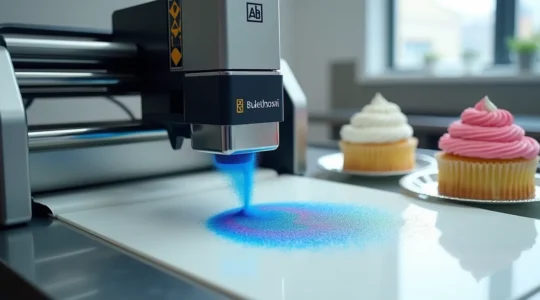
The safety and success of an edible photo on a cake isn’t magic; it’s a matter of controlling moisture and using highly regulated ingredients. Edible inks are composed of simple, food-safe components like water, glycerin, and certified colorants, all designed…
Read more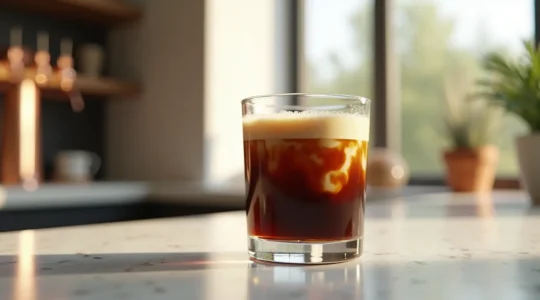
Contrary to what your senses tell you, the rich, creamy texture of nitro cold brew has nothing to do with milk or cream. It’s a feat of beverage engineering rooted in physics. The secret lies in the extremely low solubility…
Read more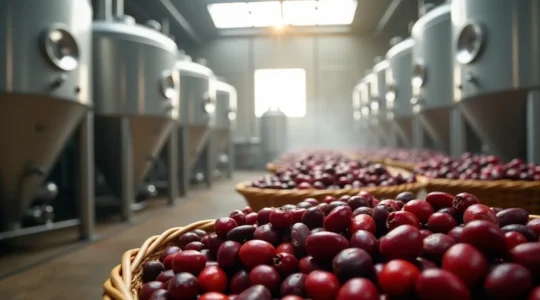
Anaerobic coffee’s “funky” taste isn’t a flavor; it’s the audible signature of a controlled biochemical reaction turning each bean into a miniature bioreactor. The process fundamentally alters the bean’s cellular structure, making it more porous and soluble, which demands a…
Read more
“Fair Trade” labels are not a guarantee of a living wage, but often a marketing tool within a system that traps farmers in poverty. The vast majority of a product’s final price is captured by intermediaries, roasters, and retailers, leaving…
Read more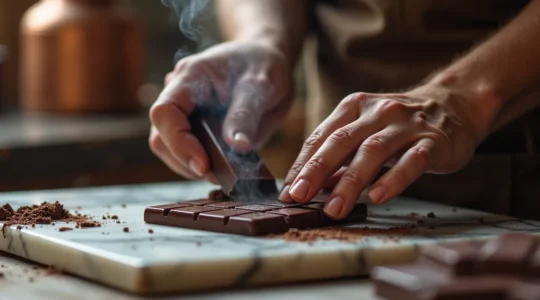
The high price of craft chocolate isn’t a luxury markup; it’s a transparent receipt for the real costs of ethical farming, meticulous processing, and unparalleled flavor integrity. Direct Trade models pay farmers a living wage, often 2-4 times the commodity…
Read more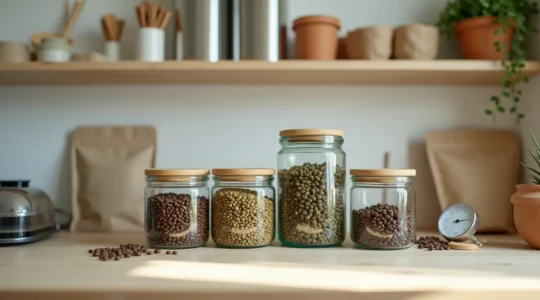
The key to long-term green coffee storage isn’t just a dark closet; it’s actively managing the four primary vectors of degradation: moisture, pests, oxidation, and cross-contamination. Moisture is the main catalyst for mold. Maintaining a stable environment below a specific…
Read more